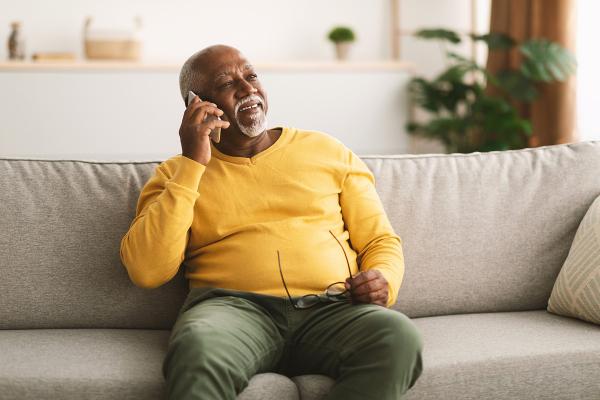
Turning up the volume more often?
It may be time to get your hearing checked. AARP Hearing Solutions makes it simple. Find a provider today.
Get the inside scoop from hearing expert Monica Murray of UnitedHealthcare Hearing.
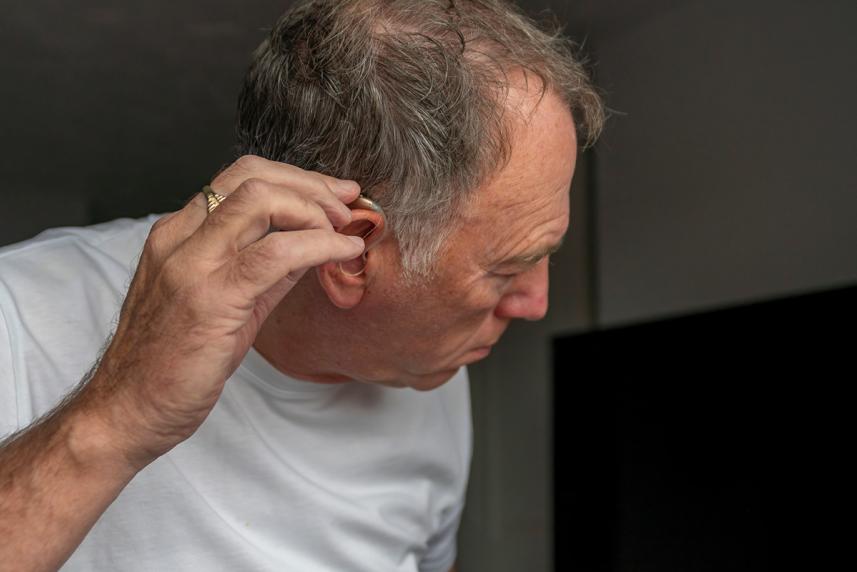
Many people start to notice hearing problems as they get older. And wearing hearing aids could make a big difference. Whether you’re new to the world of hearing aids or you’ve been wearing these devices for a while now, it’s normal to have some questions. In this series, an expert audiologist at UnitedHealthcare Hearing gives helpful advice about common concerns.
My ears feel really sore after a few hours of wearing my hearing aids. Why does this happen and what can I do?
Are your hearing aids new? Soreness is common when you have new devices. It can take a couple of days for your ears to adjust. But if you’ve been wearing the hearing aids for several days and it’s still not better, I suggest making an appointment with your hearing care professional.
They can troubleshoot the problem and adjust your hearing aids if needed. Here are some common reasons that can cause soreness:
You might need to get the fit adjusted. One possibility is that the wires on your hearing aids are too tight. With behind-the-ear devices, a thin wire attaches the case that sits behind the ear to the speaker that goes into the ear canal. If the wires on your hearing aids aren’t long enough, they could be pulling on your ears. Your hearing provider can adjust your devices in the office.
It may be time to get your hearing checked. AARP Hearing Solutions makes it simple. Find a provider today.
The silicone ear dome that covers the speaker may be the wrong size. When it’s too big or too small, it won’t sit in the ear canal properly. That can be uncomfortable. If this is the problem, your hearing care professional will be able to change the ear domes for a better fit.
Another possibility is that you’re not inserting the hearing aid properly. For example, you may not be getting the dome far enough into your ear canal, which can sometimes cause achiness. Your provider can go over the steps with you to make sure your technique is right.
What if you’re a long-time hearing aid wearer and your ears suddenly start aching? It could be that you have an earwax blockage, which can affect the fit of your hearing aids. A hearing care provider can check your ears and remove excess wax in the office. Or they may recommend that you remove the wax at home using over-the-counter softening drops.
Finally, if you see signs like redness or itching, that could mean an allergic reaction. Although this wouldn't necessarily come on suddenly, it is something to take into consideration.
The No. 1 thing to know is that hearing aids shouldn't be uncomfortable and they definitely shouldn’t hurt. So advocate for yourself and get it checked out.
(Did you know that as an AARP® member, you get a trial period and upfront pricing, and you can select the level of care that fits your needs? Learn more.)
Meet the expert
Monica Murray, Au.D., is vice president of program development at UnitedHealthcare Hearing and a nationally recognized hearing health expert.
Clinically reviewed
Published April 8, 2026
Information is for educational purposes only and is not a substitute for the advice of a licensed medical provider. Consult your provider prior to making changes to your lifestyle or health care routine.
AARP Hearing Solutions is available to all AARP members and does not require a health insurance plan from UnitedHealthcare. The AARP hearing program discount cannot be combined with any other discounts, promotions, coupons or hearing aid benefit plans unless noted herein. Products or services that are reimbursable by federal programs including Medicare and Medicaid are not available on a discounted or complimentary basis. AARP commercial member benefits are provided by third parties, not by AARP or its affiliates. Providers pay a royalty fee to AARP for the use of its intellectual property. These fees are used for the general purposes of AARP. Some provider offers are subject to change and may have restrictions. Please contact the provider directly for details. UnitedHealthcare Hearing is provided through UnitedHealthcare, offered to existing members of certain products underwritten or provided by UnitedHealthcare Insurance Company or its affiliates to provide specific hearing aid discounts. This is not an insurance nor managed care product, and fees or charges for services in excess of those defined in program materials are the member's responsibility. UnitedHealthcare does not endorse nor guarantee hearing aid products/services available through the hearing program. This program may not be available in all states or for all group sizes. Components subject to change.